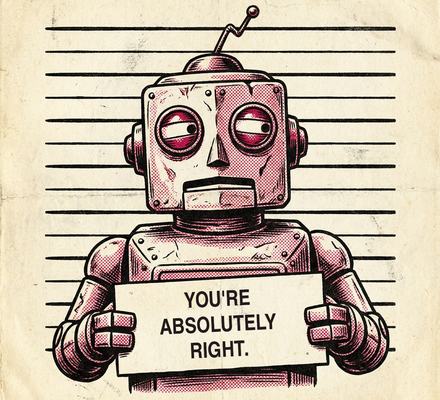
A class action lawsuit alleges OpenAI and Microsoft trained ChatGPT on nonfiction authors' books and academic journals without consent or compensation, calling it 'rampant theft of copyrighted works'. According to the lawsuit, ChatGPT itself confirmed that lead plaintiff Julian Sancton's book was in its training data. OpenAI declined to comment on pending litigation; Microsoft did not immediately respond.
In a stipulation, Colorado lawyer Zachariah Crabill admits he filed a motion citing ChatGPT-supplied cases he never read or verified. He also admits he falsely told the judge that a legal intern was to blame. The parties recommend a suspension of a year and a day, with all but 90 days stayed pending two years' probation, subject to the Presiding Disciplinary Judge's acceptance.
According to a press report, a woman in Hyderabad lost around Rs 1.4 lakh to a late-night caller who sounded exactly like her nephew. The caller said he had had an accident, was about to be jailed and needed money, and asked her to keep it secret. City police called AI voice scams rare and urged residents to be cautious.