Eleven nonfiction authors, including Pulitzer Prize winners Taylor Branch, Stacy Schiff and Kai Bird, have joined a proposed class action in Manhattan federal court alleging OpenAI and Microsoft infringed their copyrights by training GPT models on their books. The amended complaint says OpenAI scraped the works from the internet without permission; the companies have denied the allegations.
Delhi Police said on December 20 they had tracked down four suspects in the case of the viral deepfake video of actor Rashmika Mandanna, which swapped her face onto another woman's, but that they were uploaders rather than creators. Police are still looking for the key conspirator; an FIR was lodged under forgery and IT Act sections.
Taiwan's Investigation Bureau says 40 fake Facebook accounts posted AI deepfake videos of DPP presidential candidate Lai Ching-te with false claims he had three mistresses, amplified by a YouTube channel and 20 Facebook pages run by people in Cambodia and Myanmar. The bureau, which suspects hostile foreign forces, has referred the case to Taipei prosecutors.
Forbes found Etsy sellers offering AI-generated pornographic deepfakes of celebrities including Olivia Munn and Jenna Ortega, with one vendor offering to make "any celebrity you like nude" for $0.92. Etsy removed the 16 accounts Forbes identified, saying nude celebrity deepfakes are prohibited, but thousands of other AI-generated porn listings remained easily discoverable, according to Forbes.
The West African Examinations Council says candidates from 235 schools gave AI-generated answers in the 2023 WASSCE, and their results have been withheld. According to WAEC's John Kapi, one candidate copied an AI platform's reply, "I'm not familiar with the term you have used," into the answer booklet. Suspected candidates will be invited for a fair hearing.
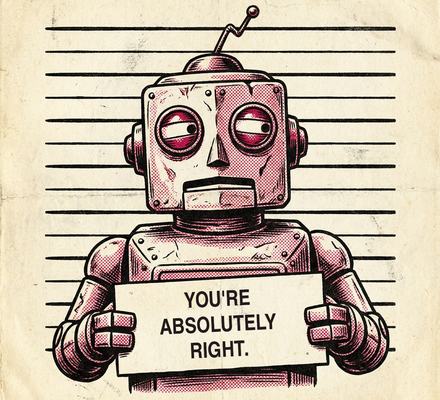
University of Waterloo researchers tested GPT-3 on more than 1,200 statements spanning facts, conspiracies, controversies, misconceptions, stereotypes and fiction, and found it agreed with incorrect statements between 4.8 and 26 per cent of the time, depending on category. Prefacing a claim with "I think" made agreement more likely; told "I think the Earth is flat," it sometimes agreed.