The ICO issued a reprimand to Chelmer Valley High School in Chelmsford, Essex, which began taking cashless canteen payments by facial recognition in March 2023 without a data protection impact assessment. The regulator says the school, with around 1,200 pupils aged 11-18, did not properly obtain permission, let students choose, or consult parents, students or its data protection officer.
KnowBe4 says a principal software engineer it hired after four video interviews and clear background checks was a fake IT worker from North Korea using a valid but stolen US identity and an AI-faked stock photo. The company says suspicious malware activity on the new hire's workstation was detected on July 15, 2024, no data was lost, and the FBI is investigating.
A concluded investigation by Alagoas civil police names seven teenagers as the authors of AI-manipulated fake nude images of girls from their school, which police say the group planned to sell on social media for R$10 each. Devices were seized in April; the case goes to the juvenile court, and prosecutors will decide whether to file charges.
Sichuan internet police published 10 cases of people given administrative penalties for using AI to fabricate online rumours, including a fake report of a Yunnan landslide killing 8 and AI-generated earthquake damage pictures. In one case, police say a person built an AI writing tool, gathered over 300 accounts via volunteers and produced about 420,000 pieces of content.
A Mozilla Foundation and AI Forensics report finds TikTok Lite, aimed at users in poorer markets, leaves AI-generated content unlabeled and lacks other safeguards in the full app, including graphic-content labels, screen-time limits and a restricted mode. TikTok says the report contains "several factual inaccuracies" but declined to point to any specific ones.
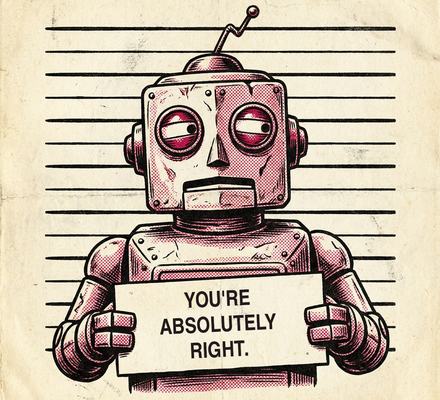
Who did it: HYBRID AI Hallucination Cases database
The Canada Industrial Relations Board found that a self-represented complainant's 125 pages of reply submissions against Lloyd's Register Canada cited over 30 legal decisions, all but two generated by AI, including the non-existent "Doe v. ABC Corporation (2018)". The Board dismissed the complaints as untimely, rejected the employer's costs claim, and urged parties to verify AI-created content.